A New Generation of Cardiovascular Suite
Now available under Microsoft Windows and Mac OS X
prova




Quipu develops software applications
in the field of cardiovascular disease prevention,
giving advanced functionality to standard devices.
Quipu develops software applications
in the field of cardiovascular disease prevention,
giving advanced functionality to standard devices.

FDA Cleared
Quipu has received the FDA 510(k) clearance for Cardiovascular Suite. Contact us for more informations.
Application
Two applications have been developed in the field of cardiovascular disease prevention: “FMD Studio“, for the assessment of of the endothelial dysfunction by the Flow Mediated Dilation Test, and the “Carotid Studio“, for the assessment of the carotid thickness, stiffness and plaque analysis.
On Windows and macOS
Cardiovascular Suite is a new generation of software, based on an innovative user interface and a more efficient video management. Compatible with Microsoft Windows and Apple macOS.
Investor Area
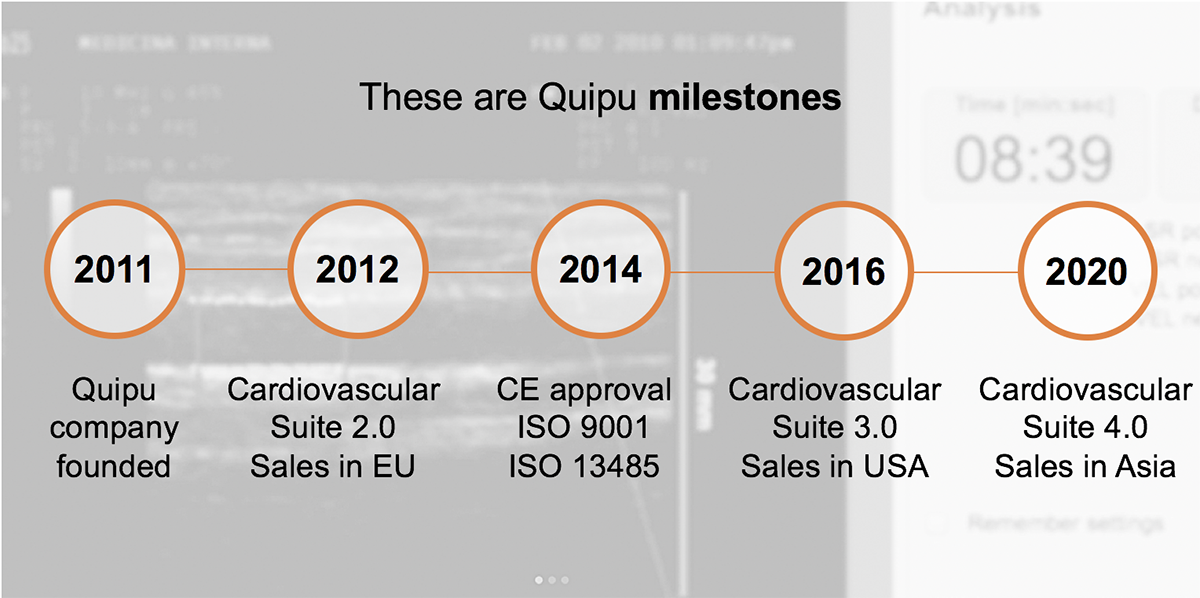
Institutional and private investors are really interested in Quipu, that is in strong growth in the biomedical field. Find out our story and milestones. Read More
New Probe Holder for FMD studies
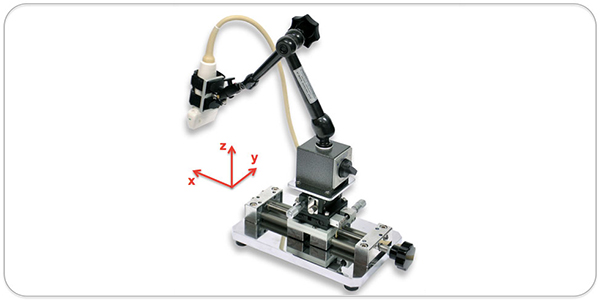
We have a new model of probe holder for FMD studies with with three-axes positioning stage. Read more
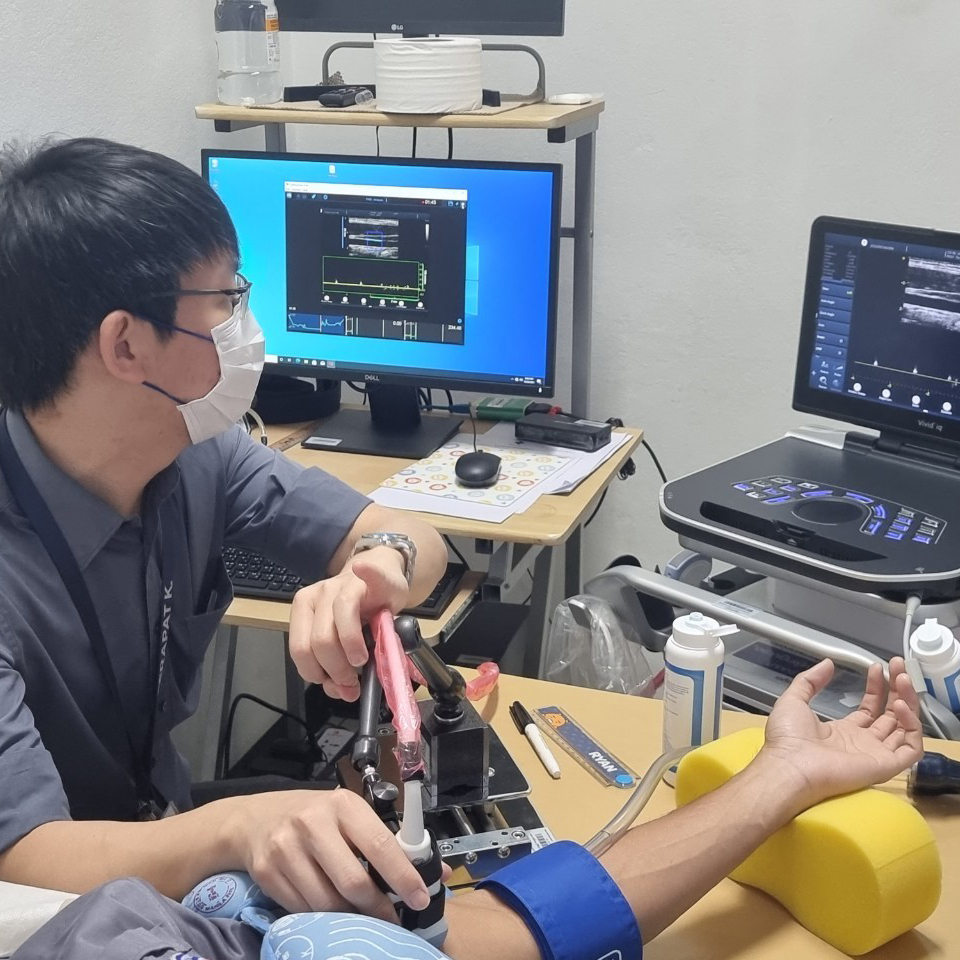
Human Cardiovascular Physiology Laboratory – Faculty of Medicine – Chulalongkorn University – Thailand |
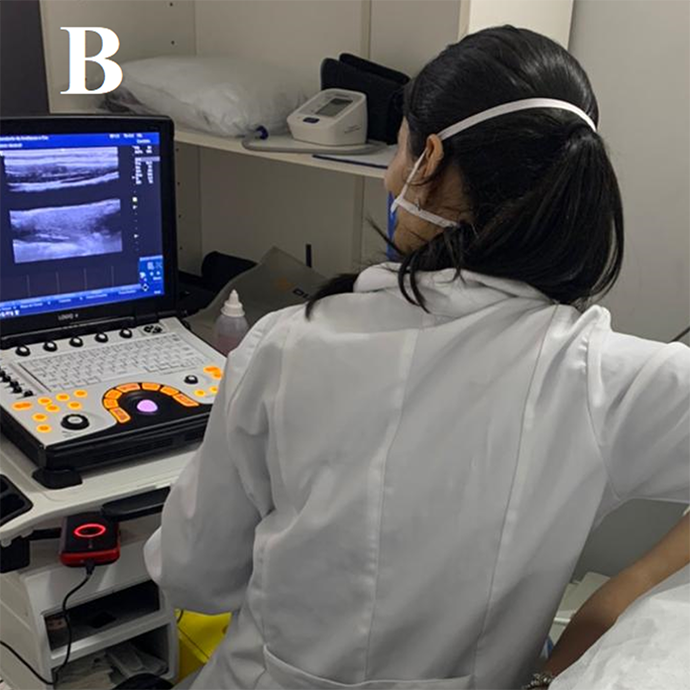
Cardiovascular effects of physical activity and healthy lifestyle in patients with rheumatic and other chronic diseases – University of Sao Paulo – Brazil. |
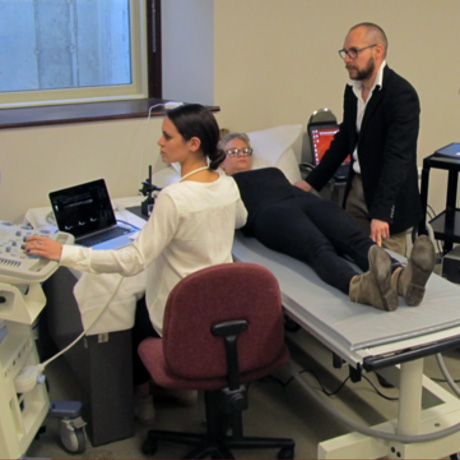
Jaume Padilla’s lab at the Department of Nutrition and Exercise Physiology – University of Missouri |